scrap disposal/electronic scrap/semiconductor tool disposal
Scrap disposal

In an age where environmental concerns are at the forefront of global discussions, the way we handle scrap materials has never been more critical. Sustainable scrap material disposal is not just a trend; it is a necessity for preserving our planet for future generations. As industries grow and consumerism increases, the amount of scrap material generated is staggering. Understanding the importance of responsible disposal methods can lead to significant environmental benefits, economic savings, and a healthier community. A recycling facility processing scrap materials for sustainable disposal.
Understanding Scrap Materials
Scrap materials are leftover materials from manufacturing processes, construction, or consumer products that are no longer usable in their original form. These can include metals, plastics, wood, and textiles. The sheer volume of scrap generated each year is alarming. For instance, the World Steel Association estimates that around 1.6 billion tons of steel scrap are produced annually.
Types of Scrap Materials
- Metal Scraps: This includes ferrous metals (like iron and steel) and non-ferrous metals (like aluminum and copper). Metal recycling is one of the most efficient forms of scrap disposal, as metals can be recycled indefinitely without losing quality.
- Plastic Scraps: With the rise of plastic use, the disposal of plastic scraps has become a pressing issue. Recycling plastic can reduce the need for new plastic production, which is energy-intensive and harmful to the environment.
- Wood Scraps: Often generated from construction and furniture manufacturing, wood scraps can be reused or recycled into products like particleboard or mulch.
- Textile Scraps: The fashion industry is notorious for generating textile waste. Sustainable disposal methods can help reduce landfill contributions and promote circular fashion.
The Environmental Impact of Improper Disposal
Improper disposal of scrap materials can lead to severe environmental consequences. When materials are sent to landfills, they contribute to soil and water contamination. For example, metals can leach into the ground, polluting groundwater supplies. Plastics can take hundreds of years to decompose, leading to long-term environmental damage.
Landfill Overload
Landfills are reaching capacity in many regions, leading to the need for new sites, which can disrupt local ecosystems. By recycling and properly disposing of scrap materials, we can significantly reduce the volume of waste sent to landfills.
Pollution
Improper disposal methods can also lead to air pollution. Burning scrap materials releases toxic fumes and greenhouse gases into the atmosphere, contributing to climate change and health issues.
Economic Benefits of Sustainable Scrap Disposal
Sustainable scrap material disposal is not just an environmental issue; it also has significant economic implications. By adopting responsible disposal practices, businesses can save money and create new revenue streams.
Cost Savings
Businesses that implement recycling programs can reduce waste disposal costs. For instance, companies that recycle metal scraps can receive payment for their materials, turning waste into profit.
Job Creation
The recycling industry is labor-intensive and can create numerous job opportunities. According to the National Recycling Coalition, recycling and reuse activities in the U.S. support over 1.1 million jobs and generate $236 billion in revenue.
Community Health and Well-being
Sustainable scrap disposal practices contribute to healthier communities. By reducing pollution and minimizing landfill use, we create cleaner air and water, which are essential for public health.
Reducing Health Risks
Communities near landfills often face health risks due to pollution. By promoting recycling and responsible disposal, we can mitigate these risks and improve overall community health.
Enhancing Quality of Life
A cleaner environment leads to a better quality of life. Green spaces, clean air, and reduced waste contribute to happier, healthier communities.
Best Practices for Sustainable Scrap Material Disposal
To effectively manage scrap materials, individuals and businesses can adopt several best practices:
1. Implement Recycling Programs
Establishing a recycling program is one of the most effective ways to manage scrap materials. This can include:
- Metal recycling: Partner with local scrap yards to recycle metals.
- Plastic recycling: Set up collection points for plastic waste.
- Textile recycling: Collaborate with organizations that accept textile donations.
2. Educate Employees and the Community
Education is key to successful recycling efforts. Providing training and resources can help individuals understand the importance of sustainable disposal and how to participate effectively.
3. Partner with Local Organizations
Collaborating with local environmental organizations can enhance recycling efforts. These partnerships can provide resources, support, and expertise in sustainable practices.
4. Monitor and Evaluate
Regularly assessing the effectiveness of recycling programs can help identify areas for improvement. Tracking metrics such as the volume of materials recycled can provide insights into the program's success.
Case Studies of Successful Scrap Material Disposal
Example 1: The City of San Francisco
San Francisco has implemented a comprehensive recycling program that has achieved a diversion rate of over 80%. The city encourages residents to separate their waste into compost, recycling, and landfill bins, significantly reducing the amount of waste sent to landfills.
Example 2: Interface, Inc.
Interface, a global carpet tile manufacturer, has committed to sustainability by using recycled materials in its products. The company has reduced its greenhouse gas emissions by 96% since 1996 and aims to become a carbon-negative enterprise by 2040.
The Future of Scrap Material Disposal
As we move forward, the importance of sustainable scrap material disposal will only grow. Innovations in recycling technology and increased awareness of environmental issues will drive changes in how we manage waste.
Circular Economy
The concept of a circular economy, where materials are reused and recycled rather than discarded, is gaining traction. This approach not only minimizes waste but also conserves resources and reduces environmental impact.
Technological Advancements
Emerging technologies, such as artificial intelligence and automation, are improving recycling processes. These advancements can enhance sorting efficiency and reduce contamination in recycling streams.
Conclusion
Sustainable scrap material disposal is essential for protecting our environment, supporting the economy, and promoting community health. By adopting responsible practices, we can reduce waste, conserve resources, and create a cleaner, healthier planet for future generations.
As individuals and businesses, we have the power to make a difference. Start by evaluating your current disposal methods and consider how you can implement more sustainable practices. Together, we can build a more sustainable future.
Semiconductor tool disposal
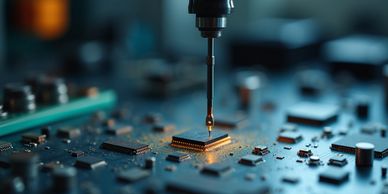
The semiconductor industry plays a crucial role in powering our modern world. From smartphones to computers, these tiny components are everywhere. However, as technology advances, the need to dispose of outdated or broken semiconductor tools safely becomes increasingly essential. Improper disposal can lead to environmental hazards and legal repercussions. This guide walks you through the steps to ensure you dispose of semiconductor tools safely and responsibly.
A semiconductor tool placed on a workbench, highlighting its intricate design.
Understanding Semiconductor Tools
Before diving into disposal methods, it’s essential to understand what semiconductor tools are. These tools include:
- Wafer fabrication equipment: Used to create semiconductor wafers.
- Test and measurement instruments: Employed to ensure the quality and functionality of semiconductor devices.
- Packaging tools: Used to encase semiconductor chips for protection and connectivity.
Each of these tools contains materials that can be hazardous if not disposed of correctly.
Why Safe Disposal Matters
Improper disposal of semiconductor tools can lead to several issues:
- Environmental Impact: Many semiconductor tools contain toxic materials, such as heavy metals and chemicals, which can leach into the soil and water supply.
- Legal Consequences: Failing to comply with local and federal hazardous waste regulations can result in hefty fines and legal action.
- Health Risks: Exposure to hazardous materials can pose serious health risks to individuals handling the waste.
By understanding the importance of safe disposal, you can take proactive steps to protect the environment and your community.
Steps for Safe Disposal
1. Identify the Materials
The first step in disposing of semiconductor tools is to identify the materials they contain. Common materials include:
- Silicon: Generally safe but should be recycled when possible.
- Gallium arsenide: Toxic and requires special handling.
- Lead and other heavy metals: Hazardous and must be disposed of according to regulations.
2. Check Local Regulations
Before disposing of any semiconductor tools, check your local regulations regarding hazardous waste disposal. Many areas have specific guidelines for disposing of electronic waste, including semiconductor tools.
3. Recycle When Possible
Recycling is one of the best options for disposing of semiconductor tools. Many components can be recycled, reducing waste and conserving resources. Look for certified e-waste recycling facilities in your area that accept semiconductor tools.
4. Use Certified Disposal Services
If recycling is not an option, consider using a certified hazardous waste disposal service. These companies specialize in safely handling and disposing of hazardous materials. They will ensure that your semiconductor tools are disposed of in compliance with local and federal regulations.
5. Document the Disposal Process
Keep records of how and where you disposed of your semiconductor tools. This documentation can be crucial if you ever need to prove compliance with regulations.
Special Considerations for Businesses
If you are a business in the semiconductor industry, you have additional responsibilities regarding disposal:
- Employee Training: Ensure that your employees are trained in proper disposal methods and understand the importance of safety.
- Regular Audits: Conduct regular audits of your disposal practices to ensure compliance with regulations.
- Partnerships with Disposal Services: Establish relationships with certified disposal services to streamline the disposal process.
Conclusion
Disposing of semiconductor tools safely is not just a legal obligation; it is a moral responsibility. By following the steps outlined in this guide, you can ensure that you are doing your part to protect the environment and your community. Remember to stay informed about local regulations and consider recycling whenever possible. Taking these steps will help you contribute to a safer, cleaner world.
By being proactive in your disposal practices, you can make a significant impact on the environment and set a positive example for others in the industry.
Electronic Scrap Recycling
Electronic Scrap Recycling
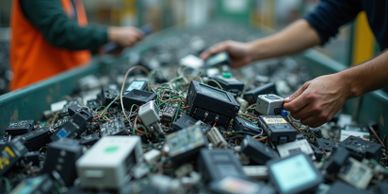
In an age where technology evolves at lightning speed, electronic waste, or e-waste, has become a pressing issue. Every year, millions of tons of electronic devices are discarded, contributing to environmental degradation and health hazards. Understanding the processes involved in electronic scrap recycling is crucial for both individuals and businesses looking to minimize their ecological footprint. This blog post will delve into the various stages of electronic scrap recycling, the benefits it offers, and how you can participate in this vital process.
Close-up view of electronic waste being sorted for recycling.
What is Electronic Scrap Recycling?
Electronic scrap recycling refers to the process of recovering valuable materials from discarded electronic devices. This includes everything from old computers and smartphones to televisions and appliances. The recycling process not only helps in recovering precious metals and other materials but also prevents harmful substances from entering landfills.
Why is Electronic Scrap Recycling Important?
- Environmental Protection: E-waste contains toxic substances such as lead, mercury, and cadmium. Proper recycling prevents these materials from contaminating soil and water.
- Resource Conservation: Many electronic devices contain valuable metals like gold, silver, and copper. Recycling helps recover these materials, reducing the need for mining.
- Economic Benefits: The recycling industry creates jobs and stimulates economic growth. It also reduces costs associated with waste disposal.
- Sustainable Practices: By recycling electronic waste, we contribute to a circular economy, where materials are reused rather than discarded.
The Electronic Scrap Recycling Process
The recycling process for electronic scrap involves several key stages. Understanding these stages can help you appreciate the complexity and importance of recycling e-waste.
1. Collection and Transportation
The first step in the recycling process is the collection of electronic waste. This can be done through various channels:
- Drop-off Centers: Many communities have designated drop-off locations for e-waste.
- Retail Take-Back Programs: Some retailers offer take-back programs where consumers can return old electronics when purchasing new ones.
- Specialized E-Waste Collection Events: Local governments often organize events to collect e-waste from residents.
Once collected, the e-waste is transported to recycling facilities.
2. Sorting and Dismantling
Upon arrival at the recycling facility, the e-waste is sorted based on its type and material composition. This step is crucial as different materials require different recycling processes.
- Manual Sorting: Workers manually separate items based on their type, such as computers, televisions, and mobile devices.
- Mechanical Sorting: Advanced facilities use machines to sort materials based on weight, size, and magnetic properties.
After sorting, the devices are dismantled to separate components such as circuit boards, batteries, and plastics.
3. Material Recovery
Once dismantled, the next step is to recover valuable materials. This process can vary depending on the type of electronic device being recycled:
- Circuit Boards: These are often processed to extract precious metals like gold and silver. This is done through chemical processes or smelting.
- Plastics: Plastics are shredded and can be melted down to create new products.
- Batteries: Batteries are processed separately due to their hazardous materials. They can be recycled to recover lithium, cobalt, and other metals.
4. Refining and Reprocessing
After materials are recovered, they undergo refining and reprocessing to prepare them for reuse. This may involve:
- Purification: Metals are purified to remove impurities.
- Reforming: Plastics are reformed into pellets for manufacturing new products.
5. Resale and Reuse
The final stage of the recycling process is the resale and reuse of recovered materials. These materials can be sold to manufacturers who will use them to create new electronic devices or other products. This step closes the loop in the recycling process, contributing to a sustainable economy.
Benefits of Electronic Scrap Recycling
Recycling electronic scrap offers numerous benefits that extend beyond environmental protection. Here are some key advantages:
Environmental Benefits
- Reduction of Landfill Waste: Recycling e-waste helps divert millions of tons of waste from landfills each year.
- Lower Carbon Footprint: By recycling, we reduce the energy consumption associated with producing new materials, leading to lower greenhouse gas emissions.
Economic Benefits
- Job Creation: The recycling industry creates jobs in collection, sorting, processing, and manufacturing.
- Cost Savings: Companies can save money by using recycled materials instead of raw materials, which can be more expensive.
Social Benefits
- Community Engagement: Recycling programs often involve community participation, raising awareness about environmental issues.
- Health Protection: Proper recycling reduces the risk of exposure to toxic substances found in e-waste, protecting public health.
How to Participate in Electronic Scrap Recycling
Participating in electronic scrap recycling is easier than you might think. Here are some steps you can take:
1. Educate Yourself
Understanding the importance of e-waste recycling is the first step. Learn about the types of materials found in electronic devices and their potential impact on the environment.
2. Dispose of E-Waste Responsibly
When it’s time to replace your electronic devices, make sure to dispose of them responsibly. Use local drop-off centers, participate in take-back programs, or attend e-waste collection events.
3. Support Responsible Brands
Choose to purchase from companies that prioritize sustainability and offer recycling programs. This encourages more businesses to adopt environmentally friendly practices.
4. Spread the Word
Share information about e-waste recycling with friends and family. The more people who understand the importance of recycling, the greater the impact we can have.
Challenges in Electronic Scrap Recycling
Despite its benefits, electronic scrap recycling faces several challenges:
1. Lack of Awareness
Many people are unaware of the proper ways to recycle e-waste. This leads to improper disposal, which can harm the environment.
2. Complex Regulations
Recycling regulations can vary significantly by region, making it difficult for consumers to know how to recycle their e-waste properly.
3. Economic Viability
The cost of recycling can sometimes exceed the value of the recovered materials, making it less attractive for businesses.
4. Hazardous Materials
Handling hazardous materials requires specialized knowledge and equipment, which can be a barrier for some recycling facilities.
The Future of Electronic Scrap Recycling
As technology continues to advance, the volume of electronic waste is expected to grow. This presents both challenges and opportunities for the recycling industry.
Innovations in Recycling Technology
Advancements in recycling technology can improve the efficiency and effectiveness of e-waste recycling. For example, new methods for extracting metals from circuit boards are being developed, which could make recycling more economically viable.
Increased Regulations
Governments are beginning to implement stricter regulations regarding e-waste disposal. This could lead to more organized recycling efforts and greater public awareness.
Community Initiatives
Grassroots movements and community initiatives are gaining traction, encouraging local recycling programs and education campaigns.
Conclusion
Understanding the processes involved in electronic scrap recycling is essential for anyone looking to make a positive impact on the environment. By participating in recycling efforts, we can conserve resources, protect public health, and contribute to a sustainable future. The next time you upgrade your electronics, remember the importance of responsible disposal and the role you play in the recycling process. Together, we can make a difference.analytics to make informed decisions about your marketing strategy.